Moisture Mapping Explained: How Experts Find Hidden Water Damage
Water can be sneaky. Sometimes, the real damage hides deep behind walls, under floors, or above ceilings—out of sight, but always on the move. At Kingly Restorations, we know just how fast hidden water_damage can spiral into bigger headaches for families and businesses.
Moisture mapping is how our team finds the invisible. It’s the detective work that keeps small leaks from becoming big disasters. If you’ve ever wondered how the pros know exactly where water is hiding, this guide is for you.
What Is Moisture Mapping?
Think of moisture mapping as a treasure map—except instead of gold, you’re looking for trouble spots. It’s the process professionals use to detect and track water_damage that isn’t visible to the naked eye.
Water doesn’t always leave a puddle. It sneaks along pipes, seeps into drywall, and soaks insulation. That’s why visible stains or peeling paint are often just the tip of the iceberg. The real story is told by what’s going on behind the scenes.
Moisture mapping creates a detailed picture of where water has traveled and collected. This map helps us plan exactly where to dry, disinfect, or repair—without guessing or tearing apart your home or business for no reason.
Tools and Technology Used 🛠️
Modern moisture mapping is a blend of science and experience. Here’s how Kingly Restorations uncovers hidden water_damage:
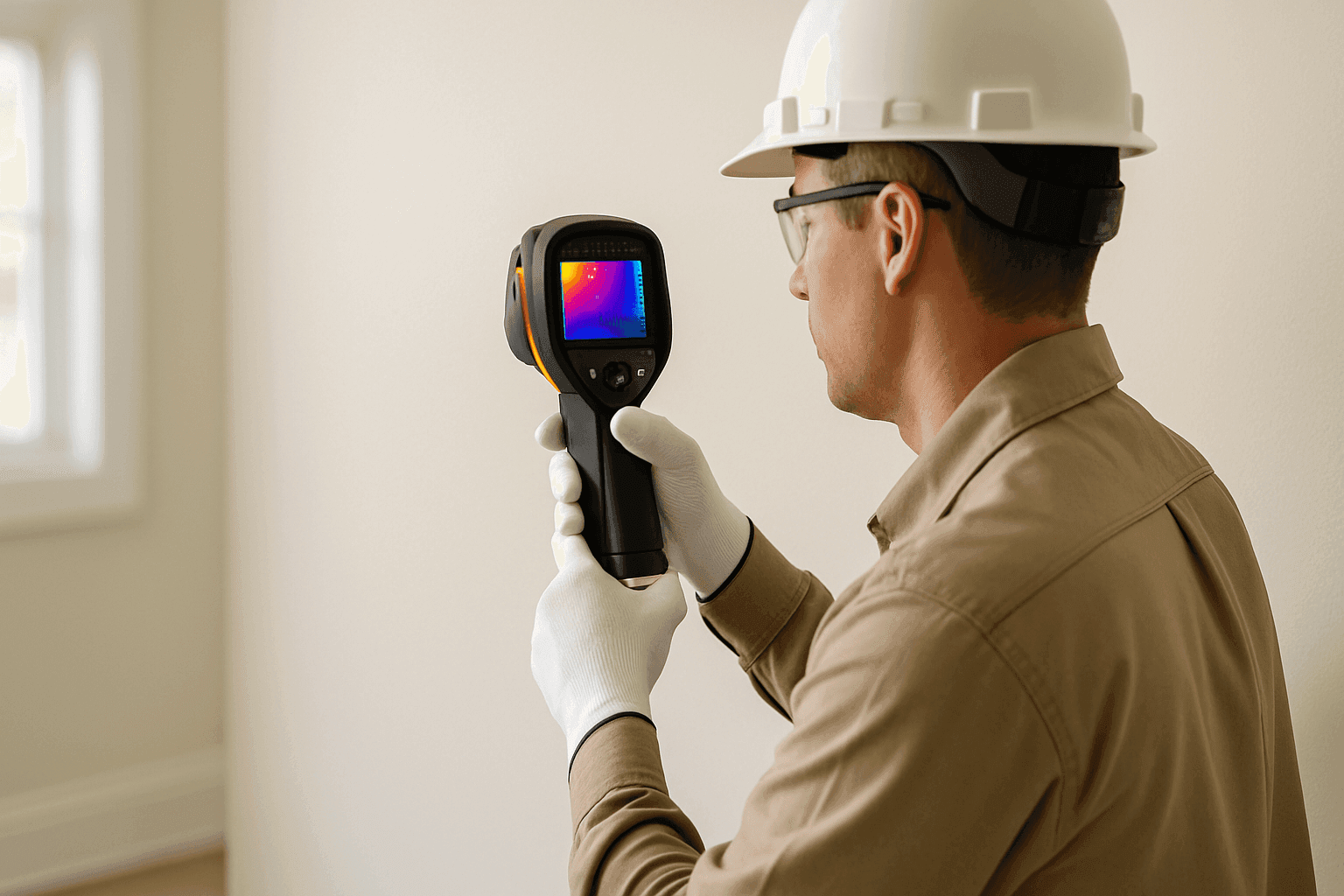
- Infrared Cameras: These “see” heat. Wet spots are usually cooler than dry ones. An infrared camera spots cold zones behind walls or under floors, like finding footprints in the snow.
- Moisture Meters: Pressed against walls, floors, or ceilings, these handheld devices measure the amount of moisture inside different materials—wood, drywall, tile, and more.
- Hygrometers: These check the humidity in the air. High indoor humidity is a clue that somewhere, water is getting in.
- Borescopes: Small cameras on flexible cables allow a peek inside tight spaces—think inside wall cavities or ductwork.
Together, these tools give a full picture of where water has gone and how bad the damage might be.
Why Not Just Use Your Eyes?
Because water travels like a rumor in a busy town. It rarely stops where you expect. You might see a stain in the ceiling, but the leak started two rooms away. That’s why moisture mapping tools matter—they take the guesswork out.
Common Signs of Hidden Water Damage
Hidden water_damage rarely knocks on your door. It leaves clues, but they’re easy to miss or misread. Watch for:
- Musty Odors: A damp, earthy smell often means mold is growing somewhere you can’t see.
- Peeling Paint or Wallpaper: Water behind walls pushes the surface out, causing bubbles, flakes, or sagging.
- Warped Floors: Wood and laminate swell when they absorb water, leading to buckling or uneven spots.
- Cracks and Stains: Discoloration, especially on ceilings or upper walls, is often a sign of water traveling from above.
- Unexplained Allergies or Respiratory Issues: Mold and bacteria thrive in damp places, making people sick without an obvious source.
If you notice any of these, it’s time to take a closer look.
Why Early Detection Matters
Imagine a small leak behind your washing machine. Left alone, that drip slowly soaks the wall, feeds mold, and weakens the floor. By the time you see visible signs, you might be facing:
- Mold spreading through the air and making people sick.
- Rotting wood, crumbling drywall, or ruined flooring.
- Odors that no amount of cleaning can erase.
- Expensive repairs that could have been avoided.
The Institute of Inspection, Cleaning and Restoration Certification (IICRC) says quick action is critical. The longer water sits, the more damage it does—and the higher the health risks. Early moisture mapping means catching problems before they get out of hand.
Real-World Scenarios: When Hidden Water Turns Costly
- The Office Building Drip: A slow leak from a third-floor toilet went undetected for months. By the time the musty smell reached the lobby, mold was growing inside the walls of three floors. Repairs meant closing sections of the building and replacing structural supports.
- Basement Blues: After a big storm, a family noticed a faint water mark in their finished basement. Moisture mapping found water pooling under the carpet and inside the walls. Quick action saved the flooring, but waiting would have meant a total gut job.
- Rental Nightmares: Tenants in an older apartment complained of headaches and allergies. Moisture mapping revealed damp insulation and mold behind the drywall from a roof leak. With professional remediation, the unit was safe again—no more legal headaches for the property owner.
These stories show why a little water can lead to big trouble if you don’t act fast.
Industry Standards and Best Practices
Kingly Restorations follows protocols set by the IICRC and the American National Standards Institute (ANSI). These groups set the gold standard for safe, effective water_damage restoration. That means:
- Using calibrated, professional-grade equipment.
- Documenting every step—where water is, how much, and what’s needed to fix it.
- Ensuring structures are dried, disinfected, and rebuilt to code.
Regular inspections are recommended, especially in older buildings or after storms and leaks.
DIY Detection vs. Calling an Expert
It’s tempting to try spotting water_damage yourself. A flashlight and a keen nose can help, but most hidden problems need professional tools.
Why DIY Often Falls Short:
- Home moisture meters can give false readings if not used correctly.
- Mold and mildew might stay hidden even after cleaning the surface.
- Opening up walls or floors without a plan can make things worse.
When to Call Kingly Restorations:
- If you suspect water_damage but can’t find the source.
- After flooding, leaks, or storms—even if everything looks dry.
- When odors, stains, or health symptoms don’t go away.
How Moisture Mapping Protects Your Structure and Health
Water_damage does more than ruin walls. It can:
- Weaken framing, making buildings unsafe.
- Destroy insulation, raising energy costs.
- Create a breeding ground for mold, bacteria, and pests.
- Trigger allergies, asthma, or other health issues.
Moisture mapping is preventive medicine for your property. It keeps minor leaks from turning into major health and safety concerns.
Practical Tips for Property Owners
- Check plumbing and roofing after heavy rain or snow.
- Watch for musty odors—trust your nose.
- Keep gutters and downspouts clear to direct water away.
- Schedule annual inspections, especially in flood-prone areas.
- If you’ve had water_damage before, be extra vigilant—repeat problems are common.
FAQ: Moisture Mapping and Hidden Water Damage
How often should my property be inspected for hidden water_damage?
At least once a year, or after any major water event (like storms, leaks, or flooding). Older buildings may need more frequent checks.
Can moisture mapping find mold, too?
Yes—by finding hidden water, we can identify places where mold is likely to grow, even if it’s not visible yet.
Is moisture mapping disruptive?
Not at all. The tools are non-invasive, and walls or floors are only opened if we find a problem that needs fixing.
What if I don’t see or smell anything—could there still be hidden water_damage?
Absolutely. Many problems start quietly. That’s why moisture mapping is so valuable.
Local and Seasonal Considerations
Every region has its own water_damage risks. In humid climates, condensation inside walls is common. In cold areas, frozen pipes can burst and leak unnoticed. Storms, hurricanes, or even faulty air conditioning can all be culprits.
No matter where you are, regular moisture mapping near you is a smart move—especially after major weather events.
Water doesn’t wait. Neither should you. If you suspect hidden water_damage, or just want peace of mind, Kingly Restorations is ready with rapid response, 24/7.
Call Kingly Restorations now — or reach us anytime at 844-321-8441 .