Water Damage Emergency Guide: What to Do Before Help Arrives
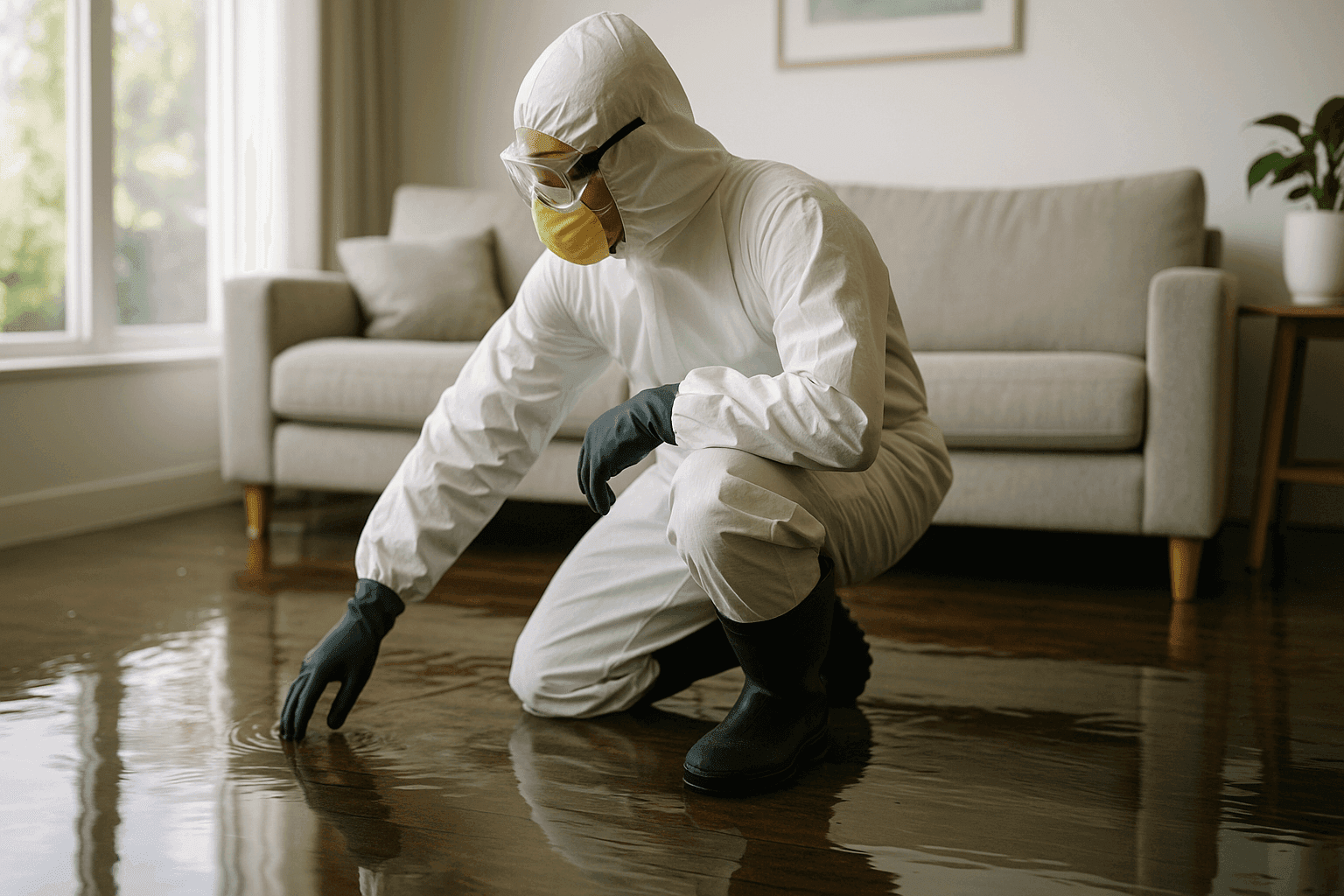
When water pours in, panic can set in fast. Floors soak, walls bubble, and valuables are suddenly at risk. At Kingly Restorations, we’ve seen it all: burst pipes at midnight, stormwater in basements, even sewage backing up into living rooms. What you do in the first minutes can make all the difference.
Water_damage doesn’t wait for business hours. That’s why every second counts—whether you’re a homeowner or managing a business. Here’s your step-by-step emergency guide: the practical actions you can take before our 24/7 team arrives.
The Problem: When Water Won’t Wait
Floods, leaks, and sudden downpours never knock first. They sweep in with the subtlety of a marching band. The result? Ruined floors, dangerous mold, and headaches with insurance adjusters. In those first moments, confusion is natural. But clarity—knowing what to do—can save thousands in repairs and reduce downtime for families and businesses alike.
Quick Safety Checklist 🚨
Before you try to stop water_damage, remember: safety first. Your property and possessions matter, but not more than your life or health.
- Turn off electricity at the main breaker if water is near outlets, appliances, or cords. Never wade through standing water if electricity may still be live. (Refer to National Fire Protection Association guidelines for electrical safety.)
- Shut off the water supply to the affected area, if possible. For burst pipes, locate the main valve—usually in the basement, crawlspace, or outside.
- Avoid slipping hazards. Wet floors are as slick as ice.
- Protect yourself: Wear waterproof boots and gloves if you must enter affected areas. For sewage or suspected contaminated water, use an N95 mask and avoid all contact.
- Evacuate if necessary. If ceilings are sagging, you smell gas, or the water is rising fast, leave immediately and wait for emergency services.
Containing the Damage: First Steps Matter
Like sandbags holding back a flood, small actions now prevent bigger losses later. Here’s what you can do:
- Block water spread: Use towels, blankets, or even spare clothing to create barriers at doorways and along baseboards.
- Move valuables to higher ground: Get electronics, important documents, and irreplaceable items out of harm’s way.
- Prop up furniture: Place foil or wood blocks under legs to keep them above the water line.
- Remove rugs and drapes: These act like sponges and make drying harder later.
Document everything. Take photos and video of all affected areas—before you move or clean anything. Clear, timestamped images help with insurance claims and ensure you’re covered for the full extent of the water_damage.
DIY vs. Calling a Pro
Not all water is created equal. Clean tap water from a burst pipe? Less risky. Water from outside, sewage, or backed-up drains? That’s a hazardous cocktail of germs and toxins.
DIY might be enough if:
- The water is clean, minimal, and isolated.
- You can dry out the area within 24–48 hours with fans and a wet vac.
Call Kingly Restorations (or your local water_damage pro) if:
- Water is spreading fast or won’t stop.
- You suspect mold or musty odors.
- The water is dark, smells foul, or came from outside.
- Walls, ceilings, or insulation are soaked.
- You need Moisture Mapping near you for hidden damage.
Acting fast with professionals means rapid moisture control, thorough infection control, and safe, code-compliant drying.
What the Pros Do on Arrival
When our team steps in, we follow industry best practices based on the Institute of Inspection, Cleaning and Restoration Certification (IICRC) and Occupational Safety and Health Administration (OSHA) standards:
- Rapid assessment: Moisture Mapping with advanced sensors finds all hidden wet spots.
- Immediate water extraction: Heavy-duty pumps and vacuums clear standing water.
- Dehumidification: Industrial dehumidifiers pull lingering moisture from air and materials, stopping mold before it starts.
- Sanitizing and disinfection: Infection control protocols neutralize germs and odors.
- Content restoration: We salvage documents, electronics, and furniture whenever possible.
- Structural drying and repair: From drywall and flooring to framing, our crews work swiftly and safely.
- Ongoing monitoring: We don’t leave until moisture levels are safe by building code standards.
Prevention & Maintenance Tips
An ounce of prevention beats a gallon of mop water. Protect your home or business with these steps:
- Inspect pipes and appliances regularly. Look for leaks, rust, or worn hoses.
- Know where your main shutoffs are. Label them clearly.
- Install water alarms in basements, laundry rooms, and under sinks.
- Keep gutters and drains clear. Blockages cause surprise indoor rivers.
- Schedule annual maintenance with a restoration pro for moisture mapping near you.
Costs & Time Factors: What to Expect
Water_damage restoration costs and timelines vary like the weather. Factors include:
- Extent of damage: More water, more time and materials.
- Type of water: Clean versus contaminated (Category 1, 2, or 3 per IICRC).
- Materials affected: Hardwood and drywall take longer to dry than tile.
- Response time: The faster you act, the less you pay in the long run.
Most jobs take anywhere from several hours (minor leaks) to a week or more (major floods with reconstruction). Insurance often covers sudden water_damage, but policies differ—check with your agent.
When It’s an Emergency
Some situations demand immediate action:
- Sewage backups: Don’t touch or breathe in these contaminants. Evacuate and call professionals.
- Storm or floodwater: Water from outside may carry chemicals or biohazards.
- Electrical hazards: If you have standing water and can’t reach the main breaker, stay out.
- Mold smells: If you detect a musty odor, mold may be growing already.
When in doubt, err on the side of caution. Your safety comes first.
FAQ: Water Damage Worries Answered
How soon does mold start to grow after water_damage?
Mold can start within 24–48 hours. That’s why rapid drying and moisture control are critical.
Can I stay in my home or business during restoration?
If the area is small and contained, you might. For large-scale damage, major contamination, or structural hazards, it’s safer to relocate temporarily.
Will insurance cover my loss?
Most policies cover sudden, accidental water_damage (like burst pipes), but not gradual leaks. Save all receipts and documentation for your claim.
What if the water smells bad or looks dirty?
Avoid all contact. Dirty water signals possible sewage or outdoor flooding—both require professional disinfection and safety gear.
Local & Seasonal Considerations 🏠
In many regions, seasonal storms and freezing temperatures increase water_damage risks. Winter brings burst pipes; spring and summer bring heavy rains and flash floods. Businesses with basements or ground-level storage are especially vulnerable.
- Schedule a pre-season Moisture Mapping near you.
- Install sump pumps and backflow valves if you’re in a flood-prone area.
- Keep emergency numbers handy—including your restoration team.
Don’t Wait—Every Minute Counts
Water doesn’t wait, and neither should you. The faster you act, the more you save—on stress, on repairs, and on lost time.
Call Kingly Restorations now — or reach us anytime at 844-321-8441 .