How Much Does Water Damage Restoration Cost? A Transparent Guide
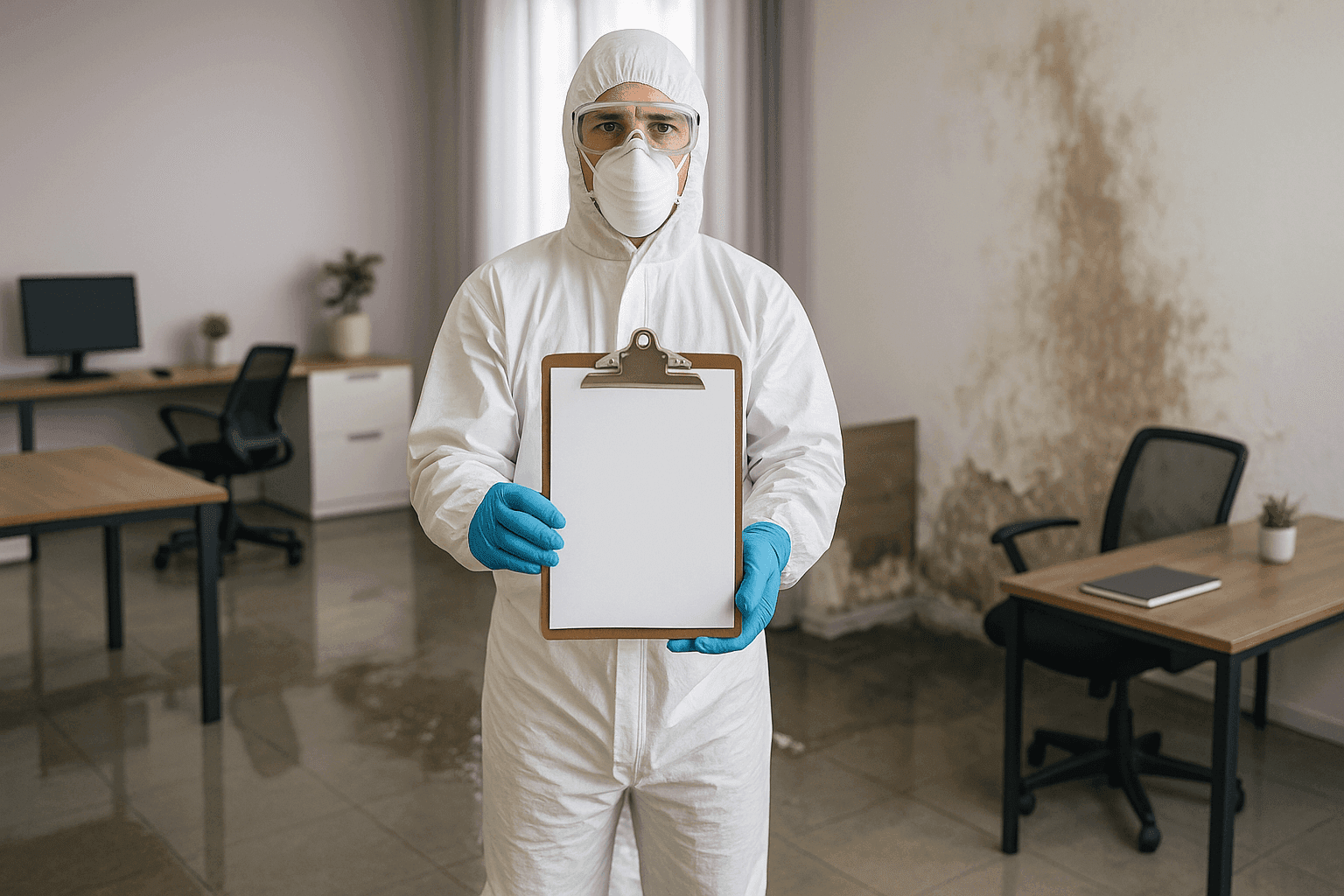
Picture this: You step into your home or business after a storm, only to find water pooling where your feet should be. Carpets squish, drywall crumbles, and a musty odor hangs in the air. Panic sets in. How much is this going to cost? Will insurance help? Who can you trust?
At Kingly Restorations, we know that water_damage is more than just inconvenience—it’s an urgent threat to your health, safety, and property value. Here’s a straightforward, no-surprises guide to what goes into the cost of water_damage restoration, what you can expect, and how to get ahead of the problem.
Typical Cost Ranges for Water Damage Restoration 💧
Water_damage restoration isn’t a one-size-fits-all job. Costs can swing as wildly as the weather that caused the mess.
- Minor water_damage (clean water, small area): $1,200–$2,500
- Moderate damage (multiple rooms, minor contamination): $2,500–$7,000
- Severe damage (sewage, large area, structural repairs): $7,000–$20,000+
Think of it like fixing a leaky faucet versus rebuilding a section of your house. The more complex the job, the more time, equipment, and expertise required.
What’s Usually Included?
- Water extraction and drying
- Moisture Mapping
- Sanitizing and disinfection
- Mold remediation (if needed)
- Structural repairs (flooring, framing, drywall)
- Odor removal
- Content restoration (personal or business property)
Emergency service or after-hours response can add to costs, but fast action often saves money in the long run.
Key Cost Factors: What Really Affects the Price?
Not all water is created equal, and neither are all restoration projects. Here’s what drives the numbers:
1. Extent of Damage
- Square footage: The bigger the spill, the bigger the bill.
- Depth of saturation: Water that seeps into walls, subfloors, and insulation is harder (and pricier) to dry out.
- Hidden damage: Mold, rust, or structural issues under the surface can surprise you—and your wallet.
2. Source of Water
- Category 1: Clean water (from pipes or rain). Lower risk, lower cost.
- Category 2: Greywater (washing machine, dishwasher leaks). More risk, more cleaning.
- Category 3: Black water (sewage, flooding). Highest risk—requires specialized cleaning, infection control, and disposal, which means higher cost.
3. Materials and Building Type
- Carpet vs. hardwood: Hardwood and tile cost more to dry or replace.
- Modern vs. older construction: Outdated wiring or materials can mean extra steps, like temporary power or framing repair.
- Contents: Restoring electronics, artwork, or documents takes time and technique.
4. Labor and Equipment
- Dehumidifiers, HEPA air scrubbers, and moisture meters: The right tools speed up the job but add to the bill.
- Specialized teams: Infection control or hazardous debris removal requires certified technicians.
5. Content Restoration
- Personal belongings: The cost to restore photos, furniture, or inventory depends on the value and how much can be saved. Content restoration is often a separate line item.
Insurance Considerations: Will Your Policy Help? 📝
Insurance is supposed to be your safety net—but it’s not always straightforward.
- Standard homeowner’s or commercial policies usually cover “sudden and accidental” water_damage (like burst pipes or appliance failures).
- Flood damage (from storms or rising water outside) often requires a separate flood insurance policy.
- Sewage backup and mold remediation may be limited or need extra coverage.
- Documentation is key: Take photos, keep damaged materials (if safe), and save all receipts.
How Reputable Restoration Providers Work With Insurance
At Kingly Restorations, we use industry-accepted pricing guidelines like Xactimate—recognized by major insurers. We’ll document damages, provide clear estimates, and communicate directly with your adjuster. That transparency helps keep your claim on track and maximizes what you’re entitled to under your policy.
Tip: Contact your insurer immediately, and don’t authorize major repairs until you know what’s covered.
Preventing Higher Costs: Fast Action, Smart Moves ⚡
Time is water’s best friend—but your property’s worst enemy. Here’s how to cap costs before they spiral:
- Act quickly: The EPA warns that mold can start growing in 24–48 hours. Fast water extraction and drying are your best defense.
- Stop the source: Turn off water valves and electricity (if safe) as soon as possible.
- Remove valuables: Get electronics, furniture, and important documents out of harm’s way fast.
- Don’t wait on clean-up: Even a small delay can mean more mold, more repairs, and more dollars spent.
- Get professional help for sewage or major contamination: DIY efforts can expose you to serious health risks and may void your insurance.
Industry Pricing Practices: No Hidden Surprises
Wondering how prices are set? Legitimate restoration companies follow standardized pricing set by software like Xactimate, which is based on regional labor and material costs. These prices are accepted by major insurance carriers and help prevent overcharging.
Beware: If a contractor offers a suspiciously low or high price, ask about their experience, certifications (like IICRC), and itemized estimates. Good providers are transparent and happy to explain every charge.
Frequently Asked Questions
How long does water_damage restoration take?
Every job is unique, but most minor jobs (1–2 rooms) take 2–5 days. Major jobs may require 1–3 weeks, especially if demolition, mold remediation, or extensive reconstruction is needed.
Can I stay in my home or business during restoration?
It depends on the extent and source of the damage. For Category 1 (clean water), you may be able to stay. For sewage, mold, or heavy equipment use, temporary relocation is often safer.
What if mold shows up later?
Mold can be sneaky. Professional moisture mapping and thorough drying help prevent hidden spores. If mold appears after restoration, let your contractor and insurance adjuster know right away.
What questions should I ask a restoration company?
- Are you licensed and insured?
- Do you use industry-standard pricing (like Xactimate)?
- Can you help with my insurance claim?
- What’s your timeline for response and completion?
Local and Seasonal Considerations
Flooding and water_damage risks change with the seasons. Heavy spring rains, summer storms, and winter pipe bursts all bring unique challenges. In humid areas, dehumidification and mold prevention are top priorities. In colder climates, watch for ice dams and frozen pipes.
Ask about “Moisture Mapping near you”—local pros understand building codes, weather patterns, and safety guidelines from organizations like the Institute of Inspection Cleaning and Restoration Certification (IICRC) and the National Institute for Occupational Safety and Health (NIOSH).
Final Thoughts: Be Proactive, Be Prepared
Water_damage restoration is never welcome, but knowing what to expect puts you back in control. Fast action, clear communication, and choosing a reputable provider can keep costs in check and speed up your recovery.
Have questions or facing a water emergency right now?
Call Kingly Restorations now — or reach us anytime at 844-321-8441 .