Preventing Mold After Water Damage: Essential Steps for Homes & Businesses
Water_damage never knocks politely. It seeps in—sometimes suddenly, sometimes in stealth—leaving behind a mess that’s more than just wet floors. For homeowners and business operators alike, the real danger often comes days later: mold. Kingly Restorations has helped countless families and companies recover, so we know firsthand how fast things can go from damp to dangerous.
Mold is more than an eyesore. It’s a health risk and a silent destroyer of property value. The clock starts ticking as soon as water enters your space. Here’s how you can fight back, safeguard your investment, and keep your air healthy.
Why Mold Forms After Water Damage
Water_damage carves a path for mold like rain clouds invite weeds into a garden. Within 24–48 hours of moisture exposure, mold spores wake up and start spreading—especially if the area stays humid or hidden from sunlight.
- Organic materials (like drywall, wood, and carpets) act as food for mold.
- Humidity is the fuel. Poor airflow and lingering dampness create the perfect greenhouse.
- Warm temperatures (above 70°F) help mold colonies thrive.
According to the U.S. Environmental Protection Agency (EPA), even small water intrusions—like a slow leak or minor flood—can trigger significant mold growth if not dried quickly.
Immediate Actions to Take 🕒
The first 48 hours after water_damage are critical. Think of it as a race against mold.
Here’s your rapid response checklist:
- Stop the source: Turn off water at the main valve if possible.
- Stay Safe: Shut off electricity to affected areas if water is near outlets or cords.
- Remove standing water: Use mops, towels, or a wet/dry vacuum (only if safe).
- Move valuables: Get furniture, papers, and electronics to a dry spot.
- Promote airflow: Open windows and doors if weather allows. Use fans to get air moving.
- Remove wet rugs and items: Dry them outside if possible.
- Document the damage: Take photos for insurance.
Remember: Some water (especially from sewage backups) is hazardous. If you’re unsure, call a professional before wading in.
Professional vs. DIY Prevention
Mold prevention isn’t always a DIY project—sometimes, it’s like trying to patch a sinking boat with tape.
When DIY Works
- The area is small (less than 10 sq. ft.)
- Water is clean, not contaminated with sewage or chemicals.
- You have good ventilation and access to fans or dehumidifiers.
When to Call the Pros
- Water is from a contaminated source (toilet overflow, floodwater, sewage).
- The affected area is large, or water has soaked walls, insulation, or floors.
- Mold is already visible or there’s a persistent musty smell.
- You have vulnerable occupants (children, elderly, respiratory conditions).
Certified professionals—like the team at Kingly Restorations—use industrial-grade equipment and advanced services like Moisture Mapping near you to detect hidden dampness, ensuring nothing gets missed beneath the surface.
Long-Term Moisture Control 🌱
Quick fixes are important, but lasting protection comes from smart maintenance.
Keep Mold at Bay:
- Dehumidify: Keep indoor humidity below 60%. A dehumidifier is your best friend in basements or humid climates.
- Ventilate: Run exhaust fans in bathrooms and kitchens. Open windows when weather allows.
- Fix leaks fast: Even a slow drip can foster mold behind walls or under floors.
- Insulate pipes and walls: Prevent condensation, especially in colder months.
- Clean regularly: Dust and organic debris feed mold. Stay on top of cleaning—especially in rarely used spaces.
- Inspect after storms: Look for damp spots in attics, basements, and crawlspaces after heavy weather.
Reference: The Centers for Disease Control and Prevention (CDC) emphasize that controlling moisture is key to preventing indoor mold.
The Importance of Quick Drying
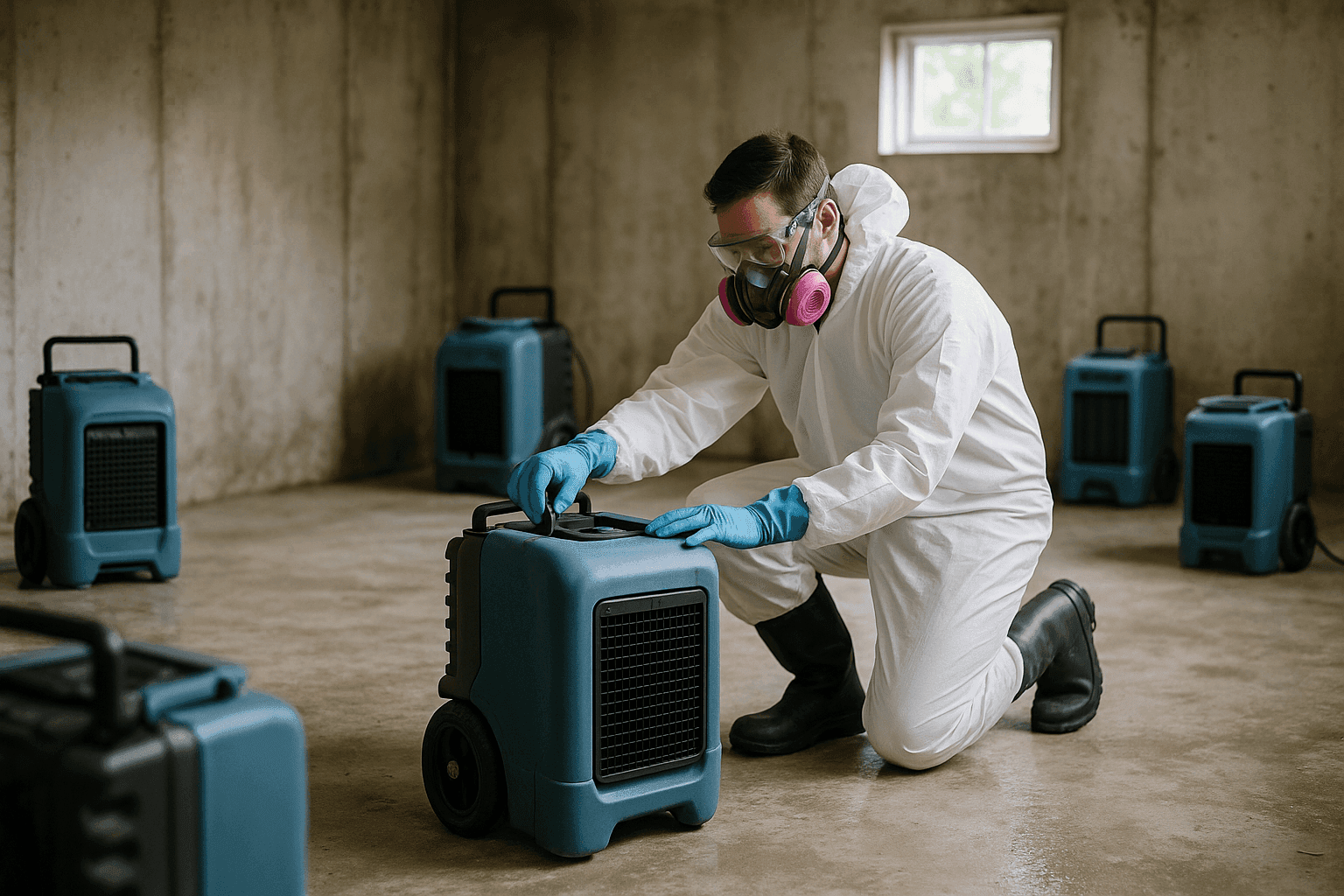
Think of water_damage like spilled milk—clean it up fast, or it sours. The sooner you dry out wet materials, the lower your risk for mold. Professionals bring in air movers, commercial dehumidifiers, and even temporary power solutions to speed up the process, drying what you can’t see as well as what you can.
The Power of Proper Disinfection
Not all cleaners are equal. After water_damage, use EPA-registered disinfectants to kill bacteria and lingering mold spores. Bleach is not always the best choice—some surfaces require specialized products to avoid damage or toxic fumes.
What Certified Pros Do
Here’s what happens when you bring in a certified restoration team:
- Assess: Moisture Mapping near you pinpoints wet spots, even inside walls.
- Extract water: Using powerful water extraction equipment.
- Dry thoroughly: Industrial fans and dehumidifiers speed up evaporation.
- Remove unsalvageable materials: Carpets, drywall, and insulation may need replacing.
- Sanitize & Disinfect: Targeting both bacteria and mold spores.
- Odor removal: Specialized cleaners tackle lingering smells.
- Monitor: Ongoing checks ensure moisture is truly gone before repairs begin.
Health Risks of Hidden Mold
Mold isn’t just ugly. It can cause:
- Allergies and asthma attacks
- Eye, nose, and throat irritation
- Worsening of chronic lung problems
Hidden mold is sneaky—growing behind walls or under floors. According to the National Institute for Occupational Safety and Health (NIOSH), long-term exposure is a risk for both homes and businesses.
Setting Realistic Expectations
DIY steps are helpful, but mold remediation is a marathon, not a sprint. Some tasks—like deep cleaning, structural drying, and large-scale repairs—require certified training and equipment.
FAQ: Mold & Water Damage
How soon does mold grow after water_damage?
Mold can start in as little as 24–48 hours if moisture isn’t controlled.
Can I use regular household cleaners against mold?
For small, non-porous surfaces, yes. For bigger jobs or porous materials, you’ll need professional-grade disinfectants.
Is it safe to live or work in a building with water_damage?
If there’s visible mold, musty odors, or water from contaminated sources, it’s best to relocate until the area is cleaned.
What about insurance?
Document everything with photos and contact your provider early. Many policies cover mold resulting from a “sudden and accidental” water event.
Local & Seasonal Considerations 🌦️
Rainy seasons, hurricanes, and freezing winters all boost the risk of water_damage. In older homes and buildings, poor drainage or aging pipes can leave you vulnerable year-round. Regular inspections and prompt repairs are your best defense.
Take Action—Act Fast, Stay Safe
No two water_damage events are identical, but the need for urgency never changes. Whether you’re facing a burst pipe, storm flood, or slow leak, quick action and the right help can stop mold before it starts. For complex jobs or peace of mind, certified restoration teams bring the right tools—and experience—to protect your home or business for the long haul.
Call Kingly Restorations now — or reach us anytime at 844-321-8441 .